Physical Address
304 North Cardinal St.
Dorchester Center, MA 02124
Physical Address
304 North Cardinal St.
Dorchester Center, MA 02124
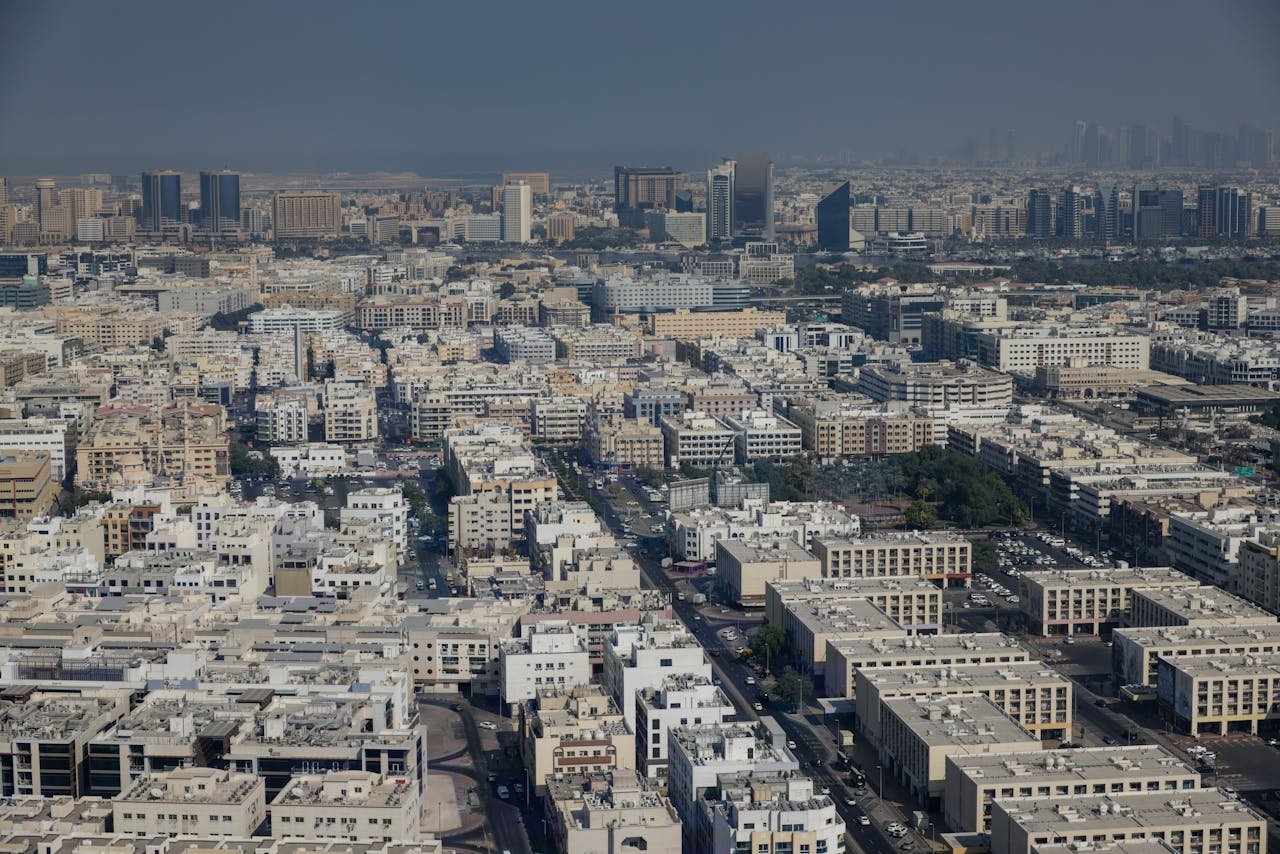
Dubai Municipality Approval is one of the most important requirements for construction, renovation, modification, fit-out, and certain business-related premises approvals in Dubai. Whether you are planning an office fit-out, restaurant renovation, warehouse modification, villa extension, retail shop interior work, or a new building project, the approval process helps ensure that the proposed work is safe, compliant, and suitable for the approved use of the property.
Dubai Municipality’s Building Control and Building Permits Department confirms that its procedures cover building permits, completion certificates, technical inspections for under-construction sites, soil test results, topographic maps, and registration requirements for design and building contractors.
Dubai approval requirements are not the same for every project. They depend on the property location, activity, building type, scope of work, landlord requirements, master developer rules, and whether the project falls under Dubai mainland, a free zone, or a special development zone.
Dubai Municipality Approval is an official review or permit process for works that may affect building safety, planning compliance, public health, structural integrity, accessibility, environmental standards, or the approved use of a property.
For construction-related projects, the approval is usually linked to the Dubai Building Code, which was introduced to unify building design requirements in Dubai and set minimum standards for health, safety, welfare, convenience, environmental impact, and sustainable development.
In simple terms, Dubai Municipality Approval helps confirm that the proposed work is designed and executed according to Dubai’s approved regulations before work begins and before the space is handed over or used.
Dubai Municipality Approval may be required for:
Minor decorative works may not always require the same level of approval, but any work affecting layout, services, fire safety, structure, drainage, occupancy, or business activity should be checked before starting.
Dubai’s approval system continues to move toward digital, coordinated, and inspection-focused compliance.
Dubai Municipality reported that 10,776 building permits were issued in Q1 2026, a 12% increase compared with Q1 2025, and that 10,855 structural inspections were conducted during the same period.
The unified building permit approach is also important. Dubai’s single-window building permit platform covers building licensing services of Dubai Municipality, Dubai Development Authority, Trakhees, and Dubai Integrated Economic Zones Authority, and is electronically linked with supporting entities such as Civil Defence, RTA, DEWA, and telecom providers.
For existing older buildings, Law No. 3 of 2026 concerning the Quality and Safety of Buildings introduces a quality and safety framework for buildings in Dubai, including free zones and special development zones. The law defines a Quality and Safety Certificate as a document confirming the quality, safety, and suitability for use of a building after assessing its structural condition.
This means owners, facility managers, property managers, consultants, and contractors should pay more attention to structural condition, maintenance records, safety compliance, and proper documentation, especially for older buildings and major renovation works.
Dubai Municipality Approval is often only one part of the overall authority approval chain. Depending on the project, other authorities may also be involved.
| Authority / Entity | When It May Be Required |
|---|---|
| Dubai Municipality | Mainland building permits, fit-out-related municipal requirements, construction compliance, food safety, public health, completion certificates |
| Dubai Civil Defence | Fire alarm, firefighting, emergency lighting, exit signage, fire safety compliance, completion certificate |
| DEWA | Electricity and water NOC, load approval, connection, inspection |
| RTA | Road access, parking impact, right-of-way works, traffic-related NOCs |
| Dubai Development Authority | DDA jurisdiction fit-out permits and building modification permits |
| Trakhees | Ports, free zone, and special jurisdiction approvals under Trakhees areas |
| DIEZ / DAFZA | Free zone fit-out and facility approvals |
| JAFZA | Jebel Ali Free Zone NOCs and facility modification approvals |
| Nakheel, Emaar, DAMAC, Concordia, TECOM | Master developer or building community NOCs |
| DHA | Clinics, healthcare facilities, medical centers, dental clinics, diagnostic centers |
| Dubai Municipality Food Safety Department | Restaurants, cafés, cloud kitchens, food storage, catering, food trading activities |
DDA’s official fit-out permit service, for example, requires items such as a contractor appointment letter, Ejari copy, building owner NOC, relevant authority NOCs, and approved/proposed drawings. It also notes that the Dubai Civil Defence Completion Certificate is required before obtaining the DDA Fit-Out Completion Certificate.
Before preparing drawings, confirm whether the property is under:
This step is important because the wrong submission route can delay the approval.
Clearly define whether the project includes:
The scope determines which drawings, NOCs, inspections, and authority approvals are needed.
Most construction, modification, and fit-out submissions require a licensed consultant, contractor, or authority-approved professional. Dubai Municipality also maintains registration and qualification requirements for contractors and consultants, and its official building permit procedures refer to certification and registration of design and building contractors.
Using an unqualified or unapproved contractor is one of the most common reasons for delays, rejection, or site violations.
Typical documents may include:
Drawings must clearly show what exists, what is proposed, and how the project complies with authority requirements.
Common drawing requirements include:
For restaurants, clinics, warehouses, and industrial units, drawings usually require more technical coordination because the activity itself may trigger additional authority review.
Before authority submission, many buildings require landlord, owner association, facilities management, or master developer approval.
This is especially common in:
A missing landlord or master developer NOC can stop the approval before technical review begins.
For Dubai Municipality building permit-related projects, submission is generally handled through Dubai’s digital building permit ecosystem. The official single-window building permit system was created to reduce multiple systems and allow consultants and contractors to complete building permit transactions through a unified entry.
Other examples:
After submission, the authority may approve, return with comments, or reject the application if it does not meet requirements.
Common comments may relate to:
If comments are issued, the consultant or contractor must revise the drawings and documents properly. A poor resubmission can create repeated comments and longer delays.
The best practice is to prepare a clear response sheet explaining how each comment has been addressed.
Work should start only after the required permit or approval is issued. Starting work before approval can lead to site violations, stop-work instructions, fines, or rejection during final inspection.
Depending on the project type, inspection may be required by:
Civil Defence approvals are especially important for projects involving fire alarm, firefighting, emergency lighting, exit routes, or fire safety systems. The Ministry of Interior Civil Defence e-service confirms that certificates of conformity with preventive safety requirements are issued to prove that buildings or facilities meet fire preventive safety requirements.
After successful inspection and compliance, the project may receive a completion certificate, fit-out completion certificate, or final approval depending on the authority and project type.
For a DDA fit-out permit, the approved permit is valid for six months, and DDA notes that Civil Defence Completion Certificate is required before obtaining the DDA Fit-Out Completion Certificate.
The exact document list depends on project type and jurisdiction, but the following are commonly required:
For restaurants and food businesses, Dubai Municipality Food Safety Department provides services such as food activity permits and layout assessment for food establishment licensing.
For clinics and healthcare facilities, DHA requires facility licensing steps through Sheryan and layout/floor plans prepared by prequalified health facility design consultants.
For projects involving electricity and water, DEWA’s Building NOC service is for enrolled consultants and contractors and covers Electricity or Water NOC for building permit purposes.
Dubai Municipality Approval and related authority approvals are often delayed because of avoidable issues such as:
Dubai Municipality is usually the main authority for building permit and municipal approval matters. However, Civil Defence, DEWA, RTA, Food Safety Department, or DHA may still be involved depending on the project.
Free zones may have their own approval systems. Examples include JAFZA, DIEZ, DAFZA, DHCC, Dubai South, and Trakhees-related jurisdictions. Some approvals may still require coordination with Dubai Municipality, Civil Defence, DEWA, or other government entities.
In communities controlled by master developers, landlord or developer NOC is often required before government authority submission. Examples may include communities managed by Nakheel, Emaar, DAMAC, TECOM, Concordia, or other master developers.
Before submission, check the following:
Dubai Municipality Approval is an official approval or permit process for construction, fit-out, renovation, modification, public health, food safety, or building-related compliance matters in Dubai.
Yes, it may be required if the office fit-out includes partitions, ceiling changes, MEP works, HVAC changes, electrical works, fire safety changes, or changes to the approved layout.
No. Site work should begin only after the required permit or NOC is issued. Starting before approval can result in violations, delays, or rejection during inspection.
Yes. Dubai Municipality generally reviews municipal, building, planning, and construction compliance, while Civil Defence focuses on fire and life safety systems such as fire alarm, firefighting, emergency lighting, and exit routes.
DEWA approval may be required if the work affects electricity load, water connection, meter changes, or related service connections. For projects under Dubai Municipality authority, DEWA confirms that applications are processed through DBPS integration.
Yes. Restaurants, cafés, cloud kitchens, food storage areas, and food-related businesses may require layout assessment and food safety-related approvals from the Dubai Municipality Food Safety Department.
Clinics and healthcare facilities usually require DHA licensing and design compliance, along with other building, Civil Defence, landlord, and authority approvals, depending on the location and scope.
In most technical projects, the submission is handled by a licensed consultant, contractor, or authority-approved professional. The property owner or tenant usually provides documents and authorization.
Common drawings include existing layout, proposed layout, furniture layout, reflected ceiling plan, MEP drawings, HVAC layout, fire alarm layout, firefighting layout, emergency lighting, exit signage, drainage layout, and electrical load schedule.
Approvals are commonly rejected due to missing documents, incorrect drawings, missing NOCs, non-compliant fire safety design, wrong activity classification, incorrect DEWA load details, or work that does not match authority requirements.
No. Free zones and special development zones may have separate approval authorities such as DDA, Trakhees, DIEZ, JAFZA, DAFZA, DHCC, or Dubai South. However, coordination with Dubai Municipality, Civil Defence, DEWA, or other authorities may still be required.
The final stage is usually inspection and issuance of completion approval, fit-out completion certificate, Civil Defence completion certificate, or other final clearance, depending on the project and authority.
Authority requirements may change based on project type, location, activity, building condition, and the concerned authority’s latest regulations. Always verify the final requirements with the relevant authority, licensed consultant, approved contractor, landlord, or master developer before submission.